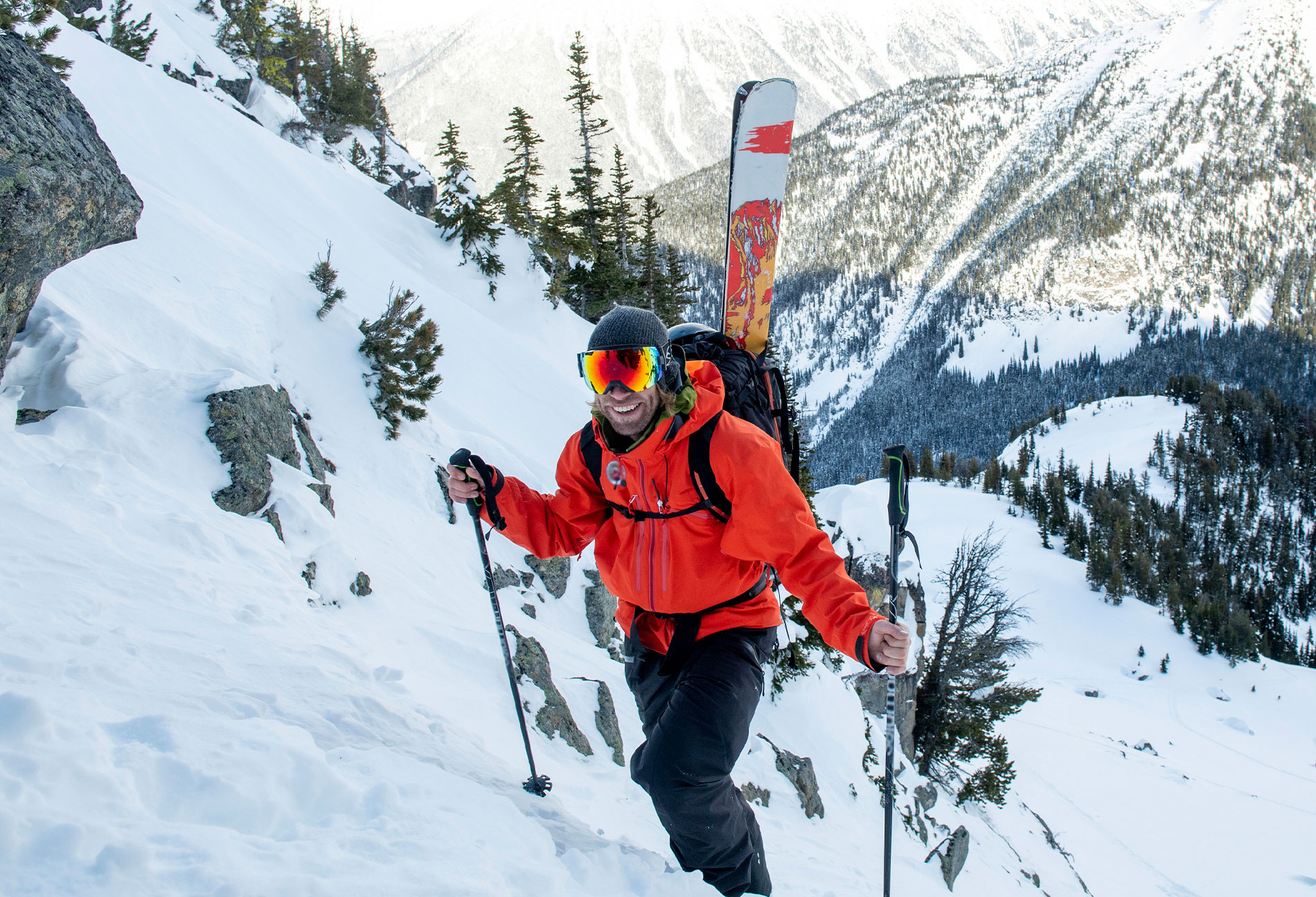
The Winter Olympics are inspiring everyone to hit the slopes. Here’s how to not end up in my office after your trip to the Poconos.
The biomechanics of skiing, snowboarding, and ice skating explained by Dr. Dipan Patel
Every four years, the Winter Olympics arrive and do the same thing: they make the rest of us want to strap on skis or lace up ice skates. Whether you’re planning a weekend at Camelback Mountain in the Poconos, hitting the ice rink at American Dream in East Rutherford, or just watching Olympians shred halfpipes from your couch and feeling inspired, the urge to get active in the cold is real and I fully support it.
But as a double board-certified spine and joint specialist, I also see what happens the following Monday.
Here’s what every aspiring weekend Olympian needs to know before they go.
Why Winter Sports Are Uniquely Punishing on Your Spine and Joints
Summer sports tend to involve controlled, repetitive motion. Winter sports are different. They combine high speed, unpredictable terrain, and impact forces often on a body that has been sitting at a desk all week.
The two biggest culprits I see in my practice after ski season are:
- The “Edge Catch” (Knee and Lumbar Spine Trauma): Skiing and snowboarding both require your knees and lower back to act as shock absorbers on every run. When a ski catches an icy edge unexpectedly, the rotational torque transfers instantly up the kinetic chain from the ankle, through the knee, into the lumbar spine. This is the mechanism behind ACL tears, meniscus injuries, and acute lumbar disc herniations. You don’t need to fall hard. An awkward stumble at 15 MPH can do just as much damage.
- The “Cold Muscle” Problem (Ice Skating and Cervical Strain): Ice skating at a rink like American Dream is fantastic fun, but cold environments cause muscles to contract and lose their normal elasticity. A fall on ice — even a slow one — delivers impact directly to the hip, tailbone, or outstretched wrist. When the surrounding muscles are stiff from the cold, they offer far less protection than they would in a warm gym.
3 Strategies to Protect Yourself This Winter
1. Warm Up Like an Athlete, Not a Tourist: The single biggest mistake I see is people walking straight from a warm car into ski boots and heading directly up a chairlift. Five minutes of dynamic stretching — leg swings, hip circles, torso rotations — dramatically increases blood flow to the muscles that protect your joints. Do it in the lodge before you hit the mountain.
2. Know Your Level and Respect It: Olympic athletes make extreme skiing look accessible. It is not. Most spine and knee injuries I treat from ski trips happen on runs that were one level above where the patient should have been. Stay on terrain that matches your ability, especially in the first hour while your body is still calibrating to the conditions.
3. Dress for Impact, Not Just Temperature: Padded shorts and wrist guards are available at most rental shops and are highly underutilized by adults (kids tend to be smarter about this). If you are ice skating at American Dream or a local rink, wrist guards alone can prevent a common fall injury we see: a distal radius fracture from an outstretched hand catching a fall on hard ice.
The 48 Hour Rule After a Day on the Mountain
Post-trip soreness is expected. What you do in the first 48 hours matters:
- Ice first, heat later: Ice reduces acute joint inflammation for the first two days. After 48 hours, switch to heat to loosen tight muscles.
- Keep moving: Gentle walking prevents the stiffness from setting in.
When to See a Specialist
Muscle soreness is the price of a great day. But these are red flags that warrant immediate evaluation:
- Swelling in the knee that does not improve within 24 hours.
- Numbness or tingling traveling down a leg after a fall.
- Persistent headache or dizziness following impact with the snow or ice.
- Pain that significantly worsens rather than improving over two to three days.
The Winter Olympics are a reminder that the human body is capable of extraordinary things. With the right preparation, your trip to the Poconos or afternoon at American Dream can be exactly that — extraordinary — and not something you’re recovering from for weeks.
Stay active, stay smart, and always warm up before you go.
Dipan Patel, MD
Double Board-Certified Spine & Joint Specialist